What is a soak hole and how does it work?
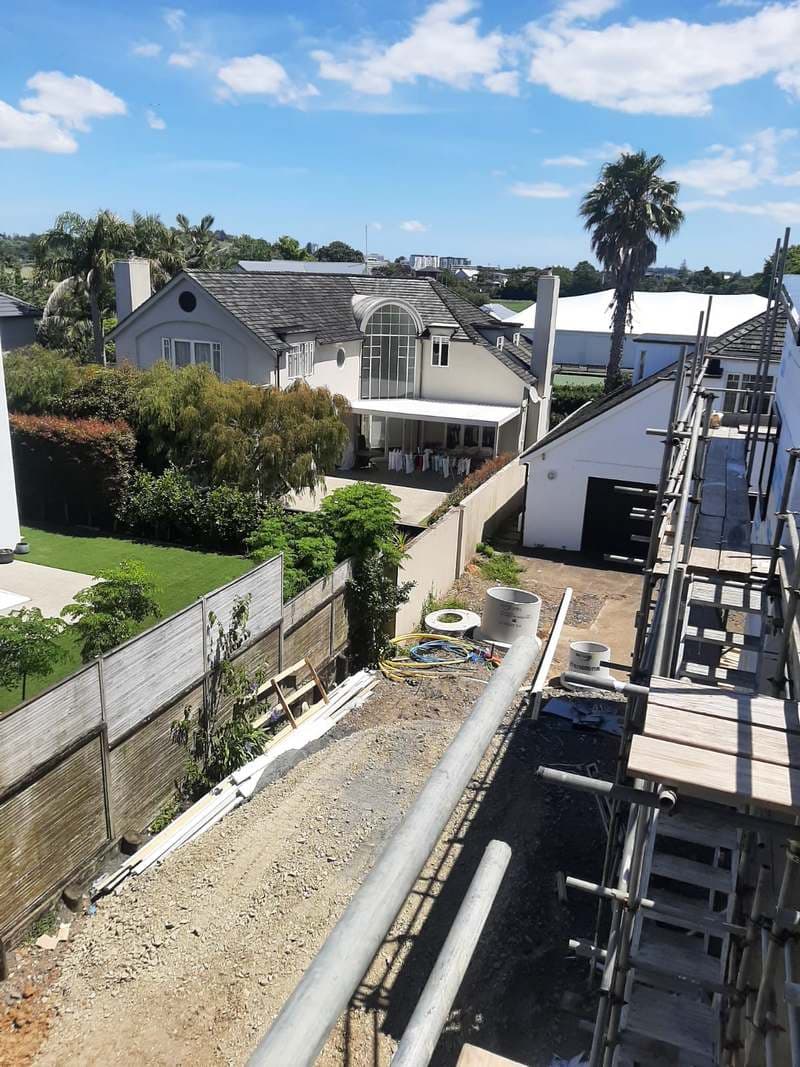
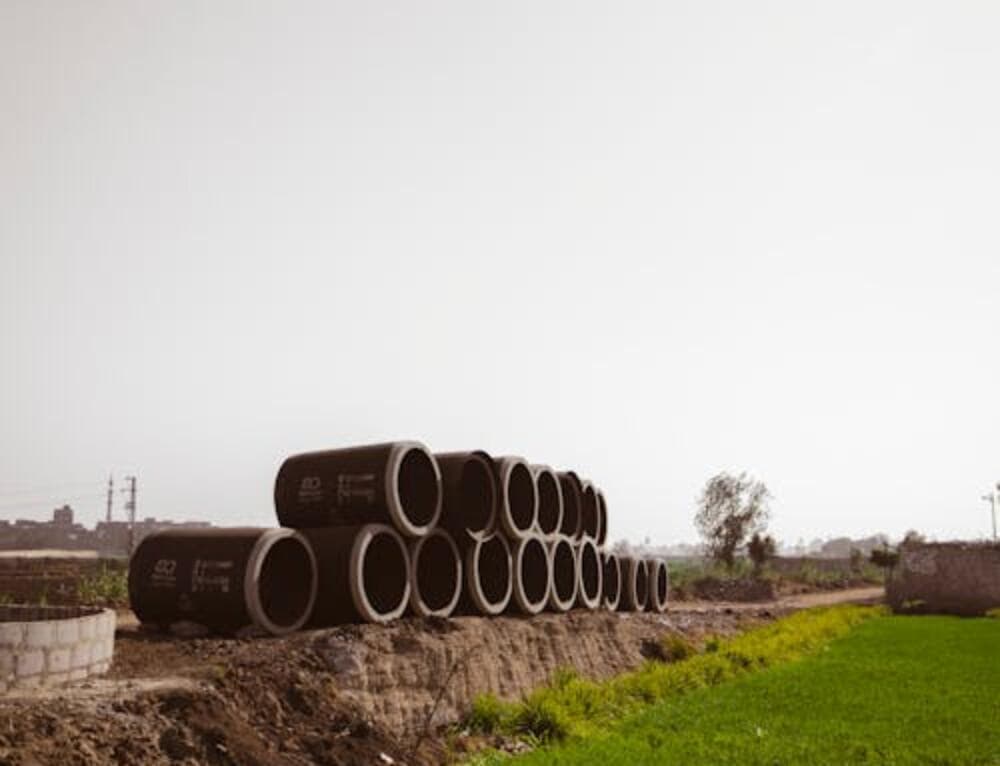
On many properties across the Auckland isthmus there's no public stormwater pipe to connect to. Instead, roof and paved-area water runs through downpipes and sumps into a soak hole: a hole bored or dug into the volcanic rock (or a buried soakage chamber) where the water seeps away through cracks in the basalt and recharges the groundwater.
A typical system looks like this:
- Gutters and downpipes collect roof water.
- Sumps or a silt trap catch leaves, grit and silt.
- A pipe carries the water to the soak hole.
- The soak hole lets water drain into the rock.
- An overflow path takes water safely away if the soak hole can't keep up.
Where in Auckland are soak holes common?
Soakage is mostly found on the volcanic isthmus, in suburbs such as Mount Eden, Epsom, Mount Albert, Mount Roskill, Three Kings, Royal Oak, Onehunga, Sandringham and parts of Remuera and Mount Wellington. Auckland Council publishes maps showing where soakage is likely, but they're indicative: what matters is the rock under your section.
Who is responsible for a soak hole?
If the soak hole is on your property and serves your property, it's private, and maintaining it is your responsibility under Auckland Council's Stormwater Bylaw. Council looks after the public stormwater network, not private soakage. If water from a failing soak hole floods a neighbour, that can become your problem too.
Signs your soak hole is failing
- Water ponding on the lawn or driveway, or around the sump, after rain.
- Sumps or downpipes overflowing in moderate rain, not just storms.
- Water taking longer than it used to to drain away.
- Silt and debris visible in the sump or soak hole chamber.
- Ground subsiding around the soak hole.
- Water flowing onto a neighbour's section.
Why do soak holes stop working?
| Cause | What happens | Typical fix |
|---|---|---|
| Silt build-up | Fine sediment seals the rock fissures | Clean out; fit or maintain a silt trap |
| No silt trap, or a full one | Silt goes straight into the hole | Install or clean the trap |
| More hard surface | Extensions, decks or driveways send more water than it was designed for | Extra or larger soakage, designed to the new area |
| Collapsed or damaged hole | Liner or chamber fails, rubble blocks it | Rebuild or replace |
| Tree roots | Roots grow into the pipe or chamber | Clear and repair |
| Undersized from the start | It never coped with heavy rain | Re-test and redesign |
How should you maintain a soak hole?
- Keep gutters and downpipes clear so leaves don't wash through.
- Check and clean silt traps and sumps regularly. We suggest looking at least once a year and after big storms.
- Only send clean rainwater to it. Car washing, paint, oil and chemicals pollute the groundwater the soak hole feeds.
- Keep the overflow path clear of garden beds, fences and stored items.
- Keep a record of when it was cleaned and what you found.
What's involved in replacing or adding a soak hole?
- Find out what's there. The Council property file may show the original drainage plan; a CCTV camera can show the pipe and chamber.
- Soakage test. An engineer tests how fast the ground accepts water. Auckland Council's soakage guide (GD2021/007) sets out the approach.
- Design. The engineer sizes the soakage for the roof and paved area it serves, with a silt trap and a safe overflow path.
- Consent and drainlayer. New or altered stormwater drainage generally needs building consent, and drainlaying must be done by an authorised drainlayer.
- Construction, inspection and records. The new system is built, inspected, and recorded on an as-built plan so the next owner knows what's there.
Can you connect to the public stormwater network instead?
Sometimes. If there's a public stormwater pipe close enough, connecting to it can be an alternative to soakage, with Council's approval. Whether it's practical depends on the distance, depth and falls to the pipe, and on what's in the way. We can assess both options at a site visit.
Ambient Civil cleans, repairs and replaces soakage and stormwater drainage across the isthmus. Book a free site visit, or read about other drainage problems and fixes.
Sources and further reading
General information only. Every site is different: consent, engineering and safety requirements depend on your property, so check with Auckland Council or a qualified professional, or ask us for a free site visit.
About this guide. Written by the Ambient Civil team: 22 in-house crew and 20+ years of civil construction, demolition and earthworks across Auckland. Rules and licence requirements are summarised from the official sources listed above and were checked on . Rules change, so confirm your property's position with Auckland Council or a qualified professional.
All guides->