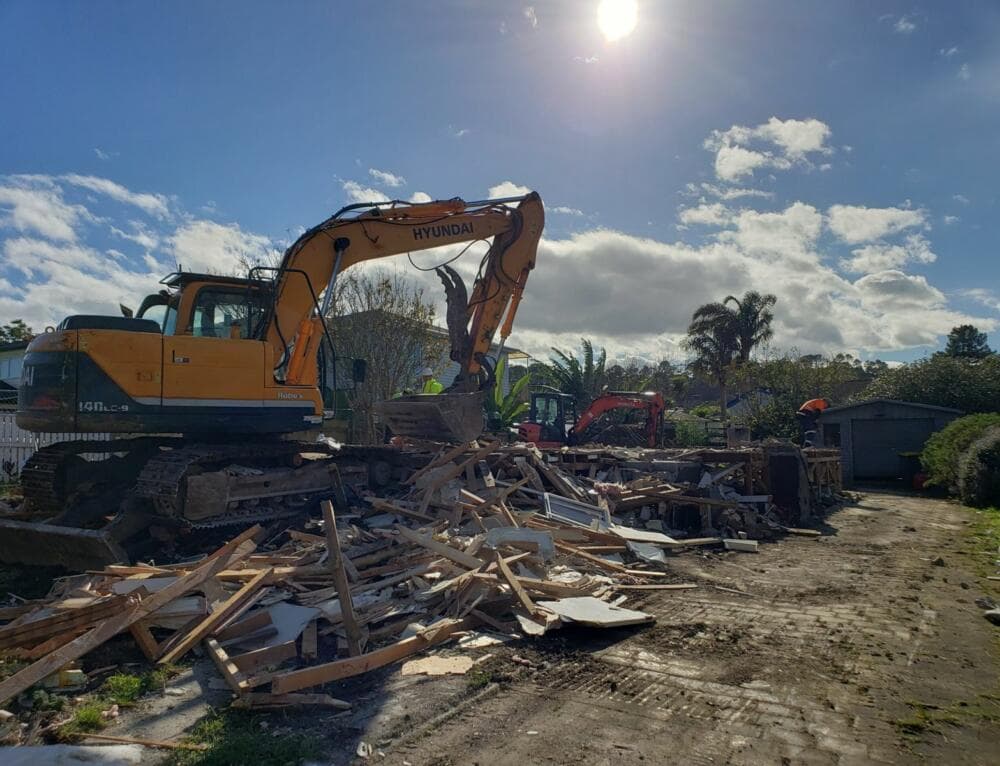
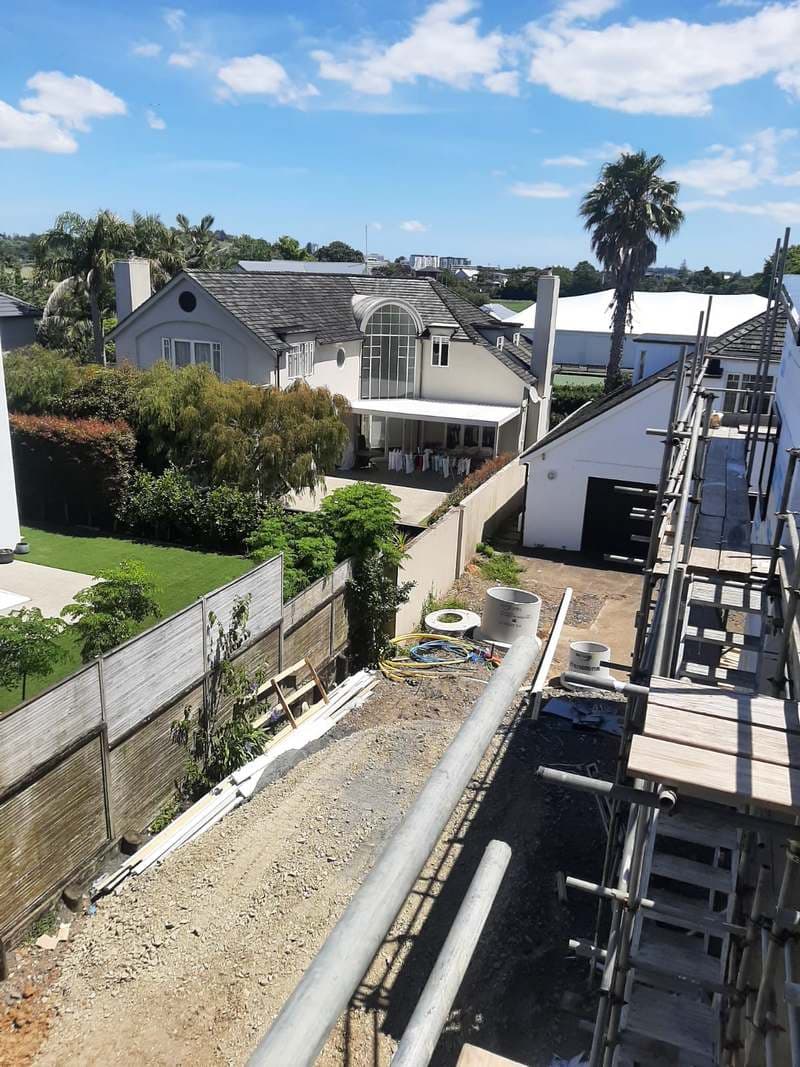
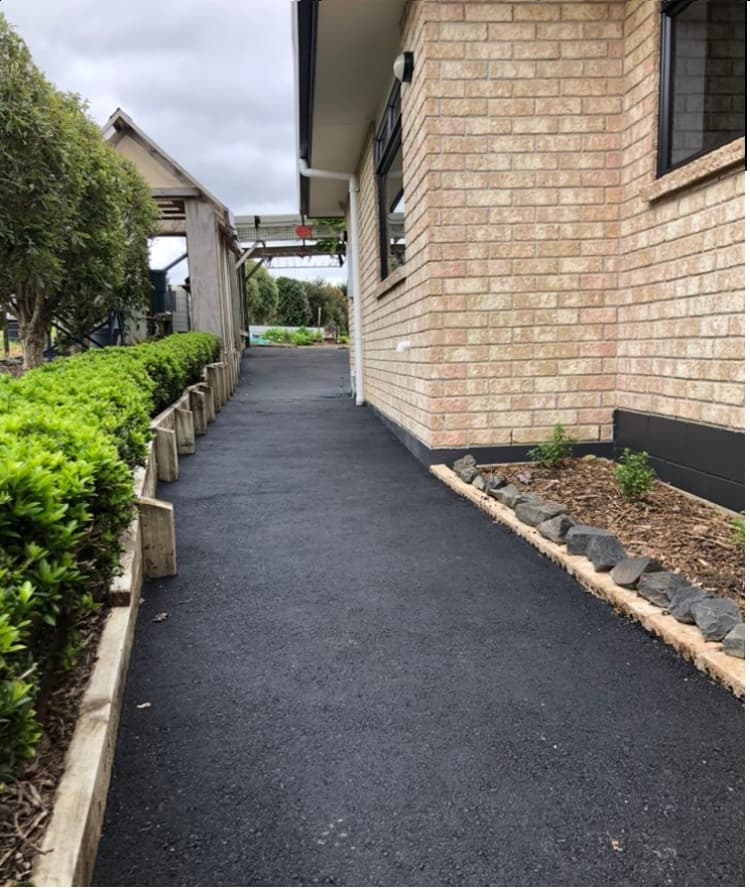
Older Auckland homes can contain asbestos in roofing, linings, floor coverings, pipe insulation and around fireplaces, so you cannot rely on appearance alone. Get the materials sampled and tested by a qualified person before you renovate, strip out or demolish. If asbestos is confirmed, the work must be planned and carried out to WorkSafe New Zealand requirements, and the licence class depends on the type and amount found.
Older Auckland homes can contain asbestos in roofing, wall and ceiling linings, floor coverings, pipe insulation and around fireplaces. Because asbestos cannot be reliably identified by sight, the materials should be sampled and tested by a qualified person before you renovate, strip out or demolish. If asbestos is confirmed, the work needs to be planned and carried out to WorkSafe New Zealand requirements, and the licence class depends on the type and amount found.
Which older Auckland homes are most likely to contain asbestos?
House age is a useful starting point. Asbestos was widely used in building products before its use was phased out in New Zealand, so homes built before the 1990s deserve a closer look. Age alone cannot confirm or rule out asbestos, though, and a newer house can still contain materials that need checking, such as additions or repairs that used older stock.
The table below lists common places to look. It is a guide only and is not a complete list.
| Material | Where you might find it | Why it matters |
|---|---|---|
| Fibre cement roofing and cladding | Roofs, sleepouts, garages, exterior walls | Cutting, drilling or breaking can release fibres |
| Textured or stippled wall and ceiling linings | Ceilings, walls, hallways | Sanding or scraping can disturb the surface |
| Vinyl floor tiles and sheet backing | Kitchens, bathrooms, laundries, hallways | Lifting, grinding or sanding can break material up |
| Pipe lagging and boiler insulation | Hot water pipes, under-floor spaces, sheds | Damaged wrapping can crumble |
| Fireboards and flue wraps | Around fireplaces and log burners | Heat exposure can cause deterioration |
| Gutters, downpipes, eaves and soffits | Exterior edges of the roof | Cutting and removal can release fibres |
| Textured paint and patching compounds | Throughout the home | Sanding during preparation can disturb them |
Why should testing come before you renovate or demolish?
Testing tells you what is actually in the building, where it is, and roughly how much there is. That information shapes the rest of the project. A kitchen refit, a bathroom upgrade and a full demolition each involve different materials and different levels of disturbance, so the plan should follow the results rather than a guess.
Testing also protects the people doing the work. Demolition and strip-out crews may not know a material contains asbestos until it is broken open, so a sampling step before work starts reduces the risk of unplanned exposure for workers, neighbours and your household.
Testing is worth considering before any of the following:
- Demolishing all or part of a house, shed or garage
- Stripping out kitchens, bathrooms, laundries or ceilings
- Cutting into walls, floors or ceilings for new services
- Replacing a roof or cladding
- Removing old pipe lagging or heating equipment
If the building is also being altered structurally, a structural engineer should be involved in planning how it is taken down or changed. A surveyor may be needed if boundaries or site access are part of the job.
What is the difference between bonded and friable asbestos?
Asbestos materials are often grouped into two broad types, and the difference matters for risk and for licensing.
- Bonded asbestos is mixed into a solid material such as fibre cement. It is generally more stable while it stays intact, but cutting, breaking or sanding can still release fibres.
- Friable asbestos is a material that can be crumbled into powder by hand. It is generally treated as higher risk because fibres are released more easily.
WorkSafe New Zealand sets the licensing rules for asbestos work. These rules depend on the type of asbestos and the amount involved, and they include conditions about how the work is planned, notified and cleared. Confirm the current requirements for your property with WorkSafe before you start, and ask your contractor which licence class applies to your job.
How does licensed asbestos removal work?
Licensed removal follows a planned sequence. The exact steps depend on the material, the amount and the site, but a typical process looks like this:
- Survey and sampling. A qualified person inspects the building and takes samples for laboratory analysis.
- Planning. The contractor prepares a written plan covering the work area, controls, waste handling and any notifications the rules require.
- Notification. Where the rules require it, work is notified to WorkSafe before licensed removal starts.
- Containment. The work area is sealed off, and controls are put in place to stop fibres leaving the area. Decontamination arrangements are set up for workers.
- Careful removal. Material is kept wet where appropriate, removed carefully and placed in labelled, sealed containers.
- Clearance. Where required, an independent assessor carries out clearance air testing and the contractor receives documentation confirming the area has been cleared.
- Disposal and next stage. Waste goes to an appropriate disposal facility, and only then does demolition, rebuilding or refitting continue.
What drives the time and cost of asbestos work?
No two properties are the same, so the time and cost of asbestos work depend on the details of the site. The main factors are listed below.
| Factor | Why it matters |
|---|---|
| Type of asbestos | Friable material and bonded material are handled under different conditions |
| Amount and extent | Larger areas usually need more containment, more labour and more waste handling |
| Location and access | Tight, high or enclosed spaces can slow work and add setup time |
| Containment needs | Sealing, air controls and decontamination add preparation time |
| Disposal | Waste must be packaged and taken to an appropriate facility |
| Sequencing with other work | Removal often has to finish before demolition or strip-out can start |
A site visit gives the most reliable answer. An inspection lets your contractor see the materials, access and layout, and then provide a firm, itemised quote rather than a general estimate.
Where does asbestos removal fit with demolition and strip-out?
In most projects, asbestos removal comes first. Once the materials are identified and removed under the correct controls, the rest of the work can proceed on a clearer basis. This is why the testing and removal plan should be agreed before the demolition contract is finalised.
For whole-building work, see our demolition services and residential demolition pages. Where asbestos is found inside a home, asbestos removal and interior strip-out may be part of the same job. For a broader picture of how demolition is planned, our demolition process guide covers the main stages.
What should you do if you suspect asbestos?
If you find a material you think may contain asbestos, stop work in that area. Keep people and pets away, avoid sweeping or vacuuming the material, and do not break it up to see what is inside. Keep the area as undisturbed as you safely can, and arrange for a qualified person to sample and test it.
When you speak to contractors, ask the questions below.
- Do you hold the relevant WorkSafe licence for this type and amount of asbestos, and can you show me evidence of it?
- Who will take the samples, and will the results be provided in writing from an accredited laboratory?
- Will you prepare a written removal plan, and how will the work area be contained?
- Will clearance testing be carried out, and who will issue the documentation?
- How will waste be packaged, transported and disposed of?
- What is included in your quote, and what could change it once the work starts?
For the rules that apply to your property, check with WorkSafe New Zealand, Auckland Council and MBIE at building.govt.nz. Where the building is being altered or taken down, check whether consents are needed before work begins.
Ambient Civil carries out demolition, asbestos removal and strip-out work across Auckland. If you are planning work on an older home, contact us to arrange a site visit so the materials, access and sequencing can be assessed before any decisions are made.
Sources and further reading
General information only. Every site is different: consent, engineering and safety requirements depend on your property, so check with Auckland Council or a qualified professional, or ask us for a free site visit.
Back to blog ->